
Dry eyes are a common yet often overlooked condition that can significantly affect quality of life. Many people dismiss the discomfort associated with dry eyes as a minor annoyance, but the truth is, this condition can lead to serious complications if left untreated. In this article, we will explore what dry eyes are, their causes, symptoms, and effective treatments, helping to unveil the truth behind this misunderstood condition.
Understanding Dry Eyes
Dry eye syndrome, medically known as keratoconjunctivitis sicca, occurs when the eyes do not produce enough tears or when the tears evaporate too quickly. Tears are essential for keeping the eyes lubricated, providing clear vision, and protecting against infections. When the balance of tear production and drainage is disrupted, it can lead to a range of uncomfortable symptoms.
The Anatomy of Tears
Before diving deeper into dry eyes, it’s essential to understand the composition of tears. Tears are made up of three layers:
- Outer oily layer – This layer prevents evaporation.
- Middle watery layer – This is the bulk of the tear film and provides moisture.
- Inner mucous layer – This helps the tears adhere to the eye’s surface.
Each layer plays a critical role in maintaining eye health, and any imbalance can lead to dry eyes.
Causes of Dry Eyes
There are several factors that can contribute to dry eyes. Understanding these causes can help in preventing and managing the condition.
Environmental Factors
Exposure to dry, windy, or smoky environments can lead to increased tear evaporation. Additionally, prolonged screen time, whether from computers, tablets, or smartphones, can reduce the frequency of blinking, which is essential for keeping the eyes moist.
Medical Conditions
Certain health issues can exacerbate dry eyes. Conditions such as rheumatoid arthritis, lupus, and diabetes can impact tear production. Additionally, aging is a significant factor, as tear production tends to decrease as we grow older.
Medications
Some medications can have side effects that contribute to dry eyes. Antihistamines, decongestants, and certain antidepressants can reduce tear production. If you suspect your medications are affecting your eyes, consult your healthcare provider for alternatives.
Symptoms of Dry Eyes
Recognizing the symptoms of dry eyes is crucial for seeking timely treatment. Common symptoms include:
- A stinging or burning sensation in the eyes
- Itchy or red eyes
- Sensitivity to light
- A feeling of having something in your eye
- Excessive tearing (ironically, the body may overcompensate for dryness)
If you experience any of these symptoms frequently, it is advisable to consult with an eye care professional.
Treatment Options
Fortunately, there are various treatment options available for dry eyes, ranging from simple lifestyle changes to medical interventions.
Lifestyle Changes
Making small adjustments to your daily routine can have a significant impact on your eye health. Here are some suggestions:
- Stay Hydrated: Drinking plenty of water helps maintain overall body hydration, including your eyes.
- Take Breaks: Implement the 20-20-20 rule when using screens. Every 20 minutes, look at something 20 feet away for 20 seconds to reduce eye strain.
- Use Humidifiers: Adding moisture to the air can help prevent tear evaporation.
Over-the-Counter Solutions
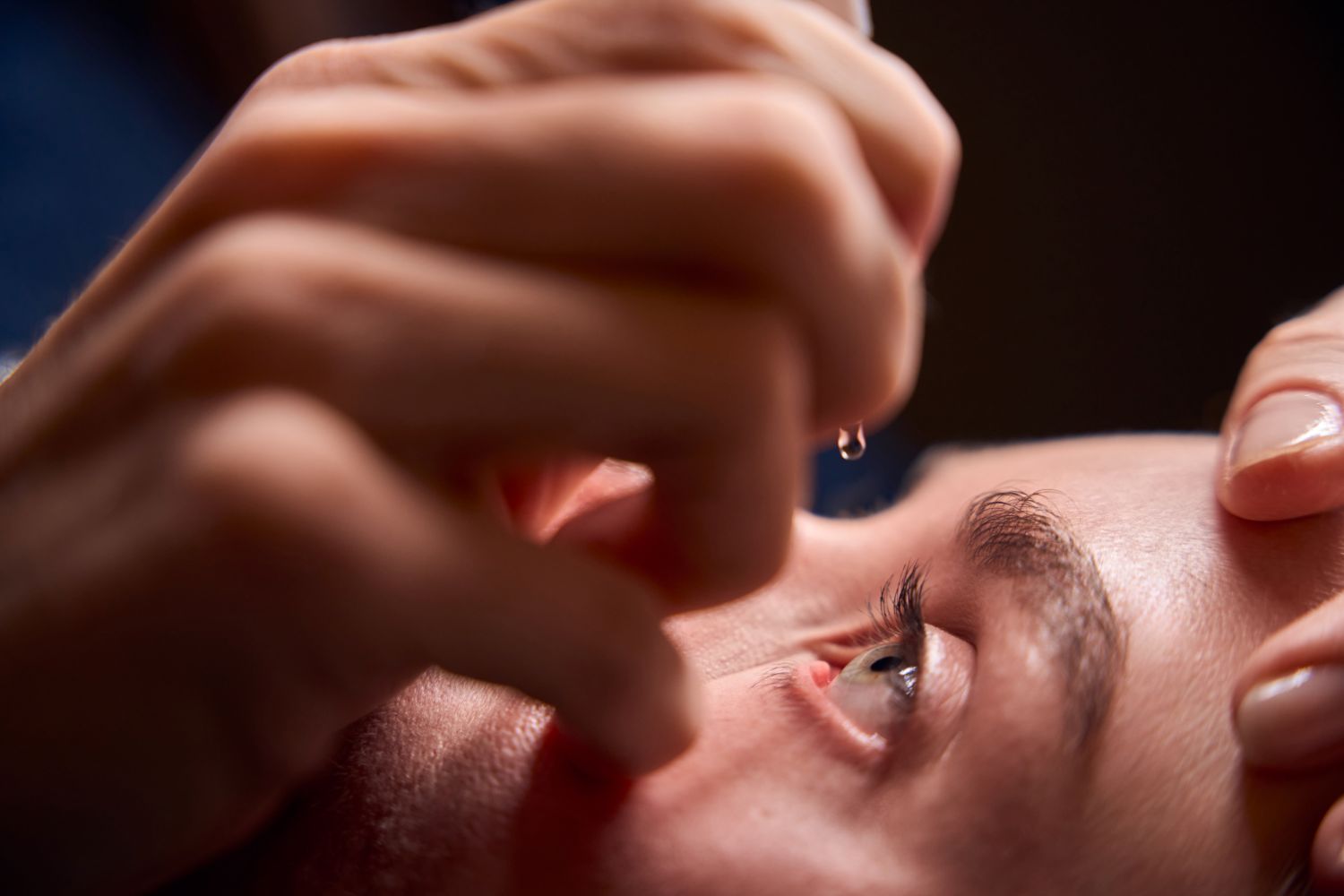
Artificial tears are one of the most common over-the-counter treatments for dry eyes. These lubricating eye drops can help to supplement tear production. Additionally, preservative-free drops are available for those who need to use them frequently.
Prescription Treatments
If over-the-counter solutions are insufficient, your eye doctor may prescribe medications that stimulate tear production. One common prescription is cyclosporine A, which can help increase tear production in patients with dry eye disease.
Punctal Plugs
In some cases, punctal plugs may be recommended. These tiny devices are inserted into the tear ducts to block drainage, helping to retain moisture on the eye’s surface.
Conclusion: Embracing Awareness
Dry eyes may seem like a minor issue, but they can significantly impact daily life. By understanding the causes, symptoms, and treatment options available, individuals can take proactive steps to manage the condition effectively. If you suspect you have dry eyes, don’t hesitate to seek professional help. Remember, it’s better to address the issue early rather than suffer in silence. With the right knowledge and tools, you can say goodbye to dry eyes—no cries necessary!