
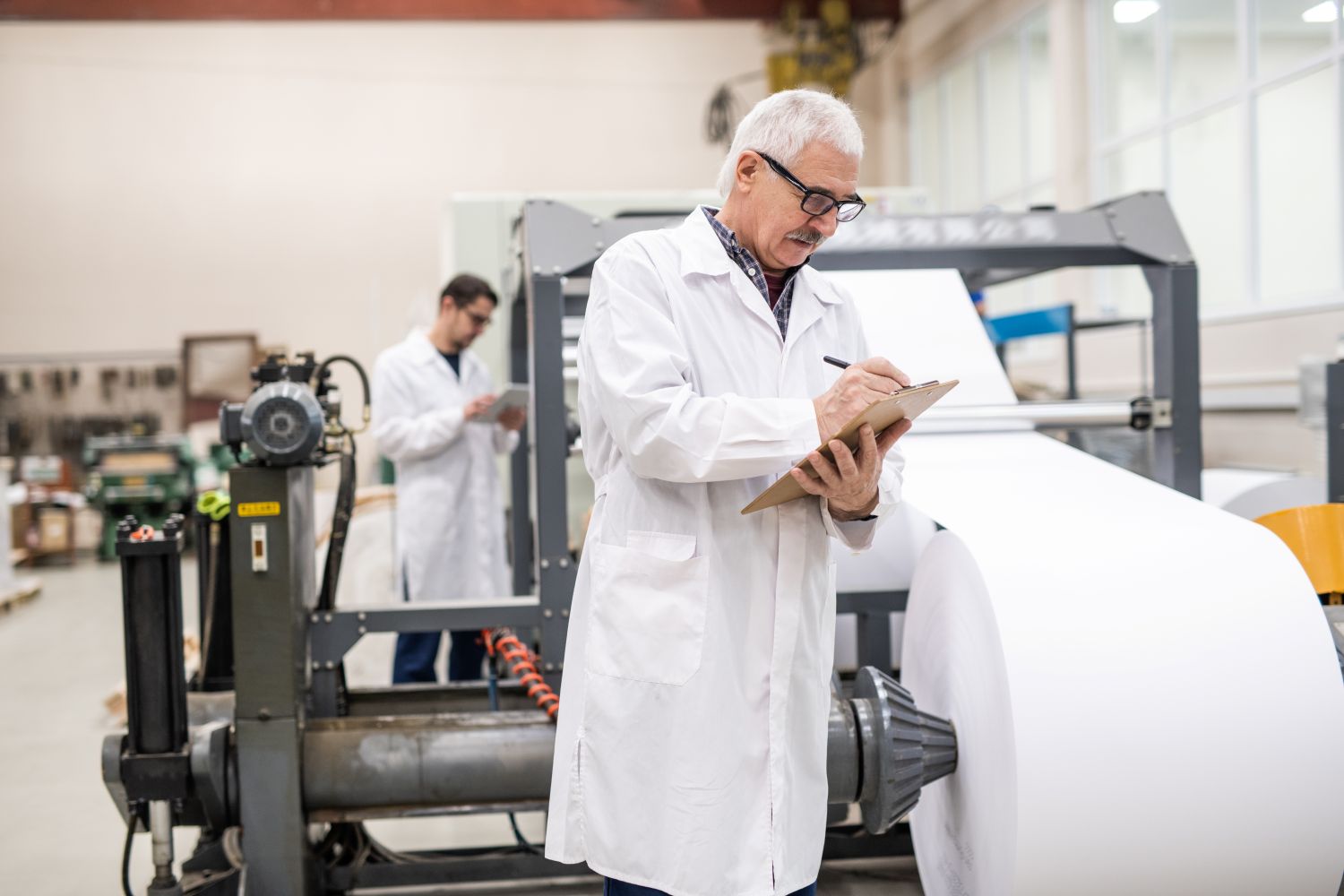
In today’s fast-paced and eco-conscious world, corrugated paper has emerged as a vital material in packaging and shipping industries. Its lightweight yet durable nature makes it an ideal choice for transporting goods safely. This article will take you on a journey through the fascinating realm of corrugated paper manufacturing, exploring its processes, applications, benefits, and future trends.
What is Corrugated Paper?
Corrugated paper is made up of three main components: two flat linerboards and a wavy, fluted medium sandwiched between them. This unique structure not only provides strength and durability but also allows for efficient stacking and cushioning of products. Commonly recognized as corrugated cardboard, it is widely used in packaging due to its versatility and recyclability.
The Components of Corrugated Paper
- Linerboard: The outer layers of smooth paper that provide structural integrity and printability.
- Fluting: The wavy, inner layer that gives corrugated paper its strength and cushioning properties. Fluting comes in various profiles, affecting the overall performance of the corrugated board.
The Manufacturing Process
Understanding how corrugated paper is manufactured reveals the intricate steps involved in transforming raw materials into a sturdy packaging solution.
1. Raw Material Sourcing
The primary raw material for corrugated paper is recycled paper, which is processed to create pulp. This sustainable approach not only helps in conserving resources but also reduces waste. In some cases, virgin fibers are also used to enhance quality, especially for high-end packaging.
2. Pulping
The recycled paper is subjected to a pulping process, where it is mixed with water and chemicals to break down the fibers. This creates a slurry that can be processed into sheets of paper. The pulp is then cleaned and refined to remove contaminants.
3. Sheet Formation
The pulp is fed into a paper-making machine, where it is spread onto a moving wire mesh. As the water drains away, the fibers bond together to form a continuous sheet of paper. This sheet is then dried and rolled for further processing.
4. Fluting Production
To create the fluted medium, a separate process involves running a sheet of paper through a series of rollers, which shape it into the characteristic wavy pattern. This fluted paper is then glued to the linerboard to form the corrugated board.
5. Cutting and Shaping
Once the corrugated board is assembled, it is cut into various shapes and sizes based on the requirements of specific products. This can include standard boxes, custom designs, or even special shapes for unique packaging needs.
6. Printing and Finishing
Before being sent out for use, corrugated boxes can be printed with branding, instructions, or other relevant information. This step enhances the product’s visibility and appeal on store shelves.
Applications of Corrugated Paper
Corrugated paper is used in a myriad of applications across various industries. Some of the most common include:
Packaging
The primary use of corrugated paper is in packaging. It serves as the backbone for shipping boxes, retail displays, and protective packaging for fragile items. Its lightweight nature reduces shipping costs while providing adequate protection.
Moving and Storage
Corrugated boxes are essential in the moving industry, offering an efficient way to pack and transport personal belongings. They are also widely used in warehouses for storing products safely.
Food Industry
In the food sector, corrugated paper is used for packaging perishable goods, as it is both safe and hygienic. Specially designed corrugated containers help maintain temperature and freshness during transport.
E-commerce
With the rise of online shopping, corrugated packaging has become increasingly important. It provides a reliable and cost-effective solution for shipping products directly to consumers.
Benefits of Corrugated Paper
The advantages of using corrugated paper are numerous, making it a preferred choice for many businesses:
Eco-Friendly
Corrugated paper is recyclable and often made from recycled materials, making it an environmentally responsible option. The manufacturing process also has a lower carbon footprint compared to plastic packaging.
Cost-Effective
The lightweight nature of corrugated paper reduces shipping costs. Additionally, its durability minimizes damage during transit, saving businesses money on returns and replacements.
Versatile
Corrugated packaging can be customized to suit various products and industries. From standard boxes to intricate designs, the possibilities are endless.
Strong and Protective
The unique structure of corrugated paper provides excellent cushioning and protection, making it ideal for fragile items.
Future Trends in Corrugated Paper Manufacturing
As sustainability becomes increasingly important, the future of corrugated paper manufacturing looks promising. Innovations in materials and processes are emerging to enhance efficiency and reduce environmental impact.
Sustainable Practices
Manufacturers are adopting more sustainable practices, such as using eco-friendly inks and adhesives, and implementing closed-loop systems to reduce waste. The focus on renewable resources is set to grow.
Smart Packaging
The integration of technology into packaging is on the rise. Smart corrugated packaging equipped with sensors and QR codes can provide real-time tracking and enhance consumer engagement.
Customization and Automation
With advancements in technology, customization of corrugated packaging is becoming quicker and more affordable. Automated processes are streamlining production, allowing for on-demand manufacturing and reducing lead times.
Conclusion
Corrugated paper manufacturing is a dynamic field that marries innovation with sustainability. As businesses continue to seek eco-friendly packaging solutions, corrugated paper stands out as a versatile and durable choice. By understanding the intricacies of its manufacturing process and benefits, we can appreciate the role corrugated paper plays in our daily lives—from shipping boxes to retail displays. As we move forward, the future of corrugated paper looks bright, promising even more advancements that will further enhance its importance in packaging and beyond.